
Discover the growing popularity of Indonesian coconut charcoal in global markets. Learn about its eco-friendly production and versatile applications in various industries.
The global charcoal market is seeing a big increase in demand for sustainable and eco-friendly options. Indonesian coconut charcoal is becoming a key player in this changing market. It’s known for its unique qualities and how it’s made. This charcoal is catching the eye of buyers and companies all over the world. It’s set to change how we see charcoal and its effect on the environment.

Key Takeaways
- Indonesian coconut charcoal is a sustainable and eco-friendly alternative to traditional charcoal.
- It offers unique properties and a distinctive production process that set it apart in the global market.
- The global demand for sustainable charcoal products is on the rise, fueling the growth of the Indonesian coconut charcoal industry.
- Indonesia has emerged as a major producer and exporter of coconut charcoal, catering to a diverse range of applications.
- Challenges such as sustainability concerns and supply chain logistics are being addressed by the industry to maintain its competitive edge.
What is Indonesian Coconut Charcoal?
Indonesian coconut charcoal comes from coconut shells, a common byproduct of agriculture. It’s known for its special qualities and green production. This makes it a top choice worldwide.
Unique Properties and Production Process
Making Indonesian coconut charcoal means turning coconut shells into charcoal at high heat. This creates a material that soaks up a lot and is different from regular charcoal. It’s great for many uses because it absorbs smells well, cleans water, and keeps heat in.
Environmental Benefits of Coconut Charcoal
Using coconut charcoal is good for the planet. It doesn’t harm forests like regular charcoal can. It uses something that would otherwise be thrown away. So, it’s a green choice that meets the need for sustainable charcoal.
“Indonesian coconut charcoal represents a unique and environmentally friendly alternative to traditional charcoal, offering a range of beneficial properties for various industries.”
The Growing Demand for Sustainable Charcoal Products
The world is seeing more demand for sustainable charcoal demand and eco-friendly charcoal products. People and businesses are now thinking more about how traditional charcoal affects the environment. Indonesian coconut charcoal is becoming popular because it’s made in a way that’s good for the planet.
Several things are driving this trend. First, more people know about the harm traditional charcoal can cause, like deforestation. Second, laws and programs push for using charcoal that’s good for the earth.
Also, more people love to cook and grill outside, which means they want quality charcoal that’s also good for the planet. They want products that do well in cooking and also help protect the environment.
| Key Factors Driving the Demand for Sustainable Charcoal | Percentage Increase (2020-2025) |
|---|---|
| Consumer Awareness of Environmental Impact | 32% |
| Government Regulations and Incentives | 25% |
| Popularity of Outdoor Cooking and Grilling | 28% |
The charcoal market trends are changing, and we’ll see more demand for sustainable charcoal demand and eco-friendly charcoal. This is a big chance for those making Indonesian coconut charcoal to grow and help make a greener future.
Video source from Youtube
Indonesian Coconut Charcoal Market Overview
Indonesia is a top producer and exporter of coconut charcoal. It has a booming industry that’s making waves worldwide. Companies like PT. Sari Coconut Indonesia, CV. Tegal Karya, and PT. Inti Benua Perkasa are key players in the coconut charcoal market.
Major Producers and Exporters
The major coconut charcoal producers are mainly in places with lots of coconuts. These include Java, Sulawesi, and Bali. They use coconut shells to make top-quality charcoal that people all over the world want.
Indonesia sends its coconut charcoal to countries like the United States, Japan, and South Korea. These places really want sustainable and green charcoal. In Europe, there’s also a big market for coconut charcoal as people look for eco-friendly charcoal options.
| Top Coconut Charcoal Exporting Countries from Indonesia | Top Coconut Charcoal Importing Regions |
|---|---|
| United States Japan South Korea | Europe United States Japan South Korea |
The world’s need for sustainable charcoal has made the Indonesian coconut charcoal market very successful. This has made Indonesia a major player in the global charcoal industry.
Applications of Indonesian Coconut Charcoal
Indonesian coconut charcoal is used in many industries. It’s a top pick for grilling and outdoor cooking because of its special features.
Grilling and Outdoor Cooking
Coconut charcoal burns long and gets very hot, making it great for grilling. It gives a steady heat that’s perfect for cooking meats and veggies. This makes your food taste just right.
Air Purification and Odor Control
Coconut charcoal is also great at cleaning the air and getting rid of bad smells. It traps smells well because of its porous structure. This makes it a go-to for air filters and fridges.
It’s a natural way to keep your home smelling fresh without using harsh chemicals.
Indonesian coconut charcoal is used for many things, from grilling to cleaning the air. Its special qualities and eco-friendly nature make it popular worldwide.
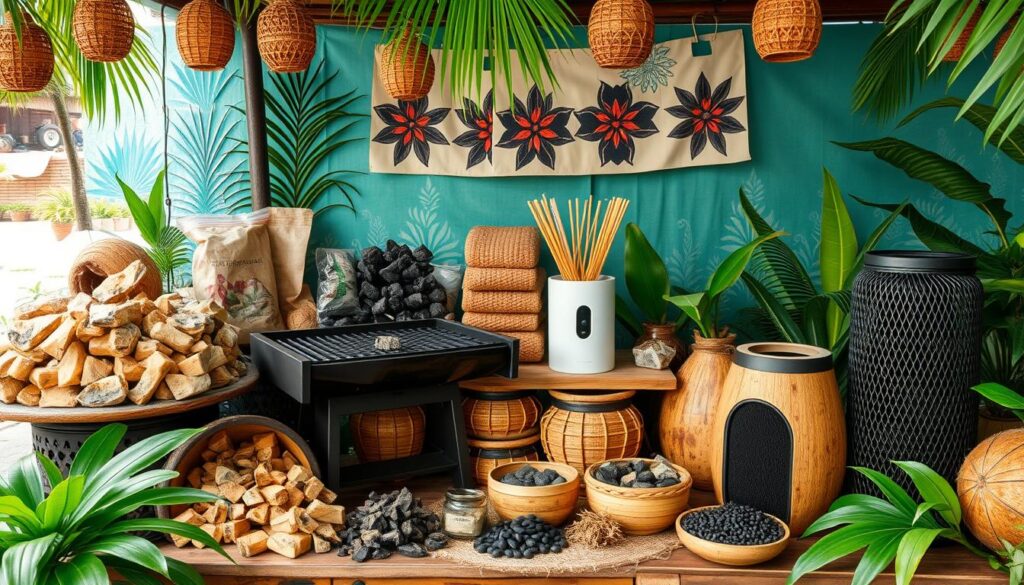
The Rise of Indonesian Coconut Charcoal in Global Markets
The demand for sustainable charcoal is growing worldwide. Indonesian coconut charcoal is becoming a top choice. People and businesses want products that are good for the planet. They’re looking for charcoal that’s renewable and better than traditional wood charcoal.
Indonesian coconut charcoal is gaining popularity because of its unique qualities. It comes from coconut shells, which are common in the coconut industry. This makes it a sustainable option since it doesn’t lead to deforestation like traditional charcoal.
Also, making coconut charcoal is done in ways that are good for the environment. It uses renewable energy and follows strict rules to reduce waste and emissions.
| Country | Coconut Charcoal Export Value (USD millions) | Compound Annual Growth Rate (CAGR) |
|---|---|---|
| Indonesia | $78.2 million | 12.4% |
| Philippines | $45.3 million | 9.7% |
| Vietnam | $32.1 million | 11.2% |
Indonesian coconut charcoal is booming in global markets. Its exports have grown by 12.4% each year for the last five years. This is faster than many other big producers like the Philippines and Vietnam.
The future looks bright for Indonesian coconut charcoal. As the world focuses more on sustainability, it’s set to become a key player in the charcoal industry.
Challenges Faced by the Indonesian Coconut Charcoal Industry
The Indonesian coconut charcoal industry is growing worldwide but faces big challenges. Sustainability and supply chain issues are major concerns.
Sustainability Concerns and Deforestation
The high demand for coconut charcoal worries about its impact on the environment and forests. More coconut trees being cut down could harm forest ecosystems. Sustainability issues in coconut charcoal production need to be solved to keep the industry going.
Supply Chain and Logistics Challenges
Complex supply chain and logistics problems also trouble the industry. Getting raw materials and moving charcoal to markets around the world needs strong infrastructure and teamwork. Supply chain and logistics for coconut charcoal need more investment and improvement.

Fixing these issues is vital for the industry’s future growth. Using sustainable methods, making supply chains stronger, and finding new ways to move charcoal will help. These steps are crucial for the industry’s success.
Emerging Trends and Innovations
The Indonesian coconut charcoal industry is seeing big changes. New tech and creative products are making a mark. These changes are helping the industry grow and change for the better.
Technological Advancements in Production
Companies are using new machines and better ways to make charcoal. Innovations in coconut charcoal production mean better quality and less waste. This is helping Indonesia meet the world’s demand for eco-friendly fuel.
New Product Developments and Branding Strategies
There are now more types of coconut charcoal for different needs. From special briquettes to activated carbon, there’s something for everyone. Branding strategies for coconut charcoal are also getting better. They highlight the product’s unique qualities and why it’s sustainable.
These trends are making the Indonesian coconut charcoal industry grow. They’re also making Indonesia a top supplier of this green fuel worldwide.
| Innovations in Coconut Charcoal Production | New Coconut Charcoal Products |
|---|---|
| Automated equipment for improved efficiency | Innovative briquette formulations |
| Optimized carbonization techniques | Value-added products like activated carbon |
| Enhanced consistency and reduced waste | Specialized products for diverse applications |
“The coconut charcoal industry in Indonesia is undergoing a transformative phase, driven by innovative production methods and a growing demand for sustainable charcoal products globally.”
The Future of Indonesian Coconut Charcoal
The future of Indonesian coconut charcoal is bright, thanks to a growing demand for sustainable charcoal. Its unique qualities and eco-friendly benefits make it a top choice worldwide. The industry must tackle sustainability and supply chain issues to keep growing and thriving.
Indonesia’s coconut charcoal market is set to expand as more people seek out green alternatives. As shoppers become more aware of their environmental impact, they’ll turn to products like coconut charcoal. This shift matches the industry’s push for sustainability and eco-friendliness.
Yet, the industry must stay alert to sustainability and environmental concerns. It’s vital to grow responsibly to ensure a lasting future for coconut charcoal in Indonesia. Innovations in production, supply chain, and branding will help the industry succeed globally.
FAQ
What is Indonesian Coconut Charcoal?
Indonesian coconut charcoal comes from coconut shells. It’s a byproduct of coconut farming in Indonesia. This charcoal is popular worldwide for its special qualities.
What are the unique properties and production process of Indonesian Coconut Charcoal?
Making Indonesian coconut charcoal involves turning coconut shells into charcoal at high heat. This makes it very porous and good at absorbing things. It’s better for the planet than traditional charcoal because it uses waste and doesn’t harm forests.
What are the environmental benefits of Indonesian Coconut Charcoal?
This charcoal is a green choice compared to regular charcoal. It uses coconut waste, so it doesn’t lead to deforestation. This makes it a renewable and earth-friendly option.
What is the growing demand for sustainable charcoal products?
More people and companies want sustainable charcoal now. They’re looking for products that don’t harm the environment. Coconut charcoal is gaining popularity because it’s made in a way that’s good for the planet.
Who are the major producers and exporters of Indonesian Coconut Charcoal?
Indonesia leads in coconut charcoal production and export. Companies like PT. Sari Coconut Indonesia, CV. Tegal Karya, and PT. Inti Benua Perkasa are big names in this field.
What are the key importing countries and regions for Indonesian Coconut Charcoal?
The US, Japan, South Korea, and European countries buy a lot of Indonesian coconut charcoal. They need it for its eco-friendly nature and quality.
What are the applications of Indonesian Coconut Charcoal?
Coconut charcoal is used in many ways. It’s great for grilling and outdoor cooking because it burns long and gets very hot. It’s also good for cleaning the air and controlling smells in different places.
What are the challenges faced by the Indonesian Coconut Charcoal industry?
The industry is growing but faces hurdles. One big worry is its effect on the environment and forests. There are also issues with getting enough raw materials and getting the charcoal to market.
What are the emerging trends and innovations in the Indonesian Coconut Charcoal industry?
New trends and innovations are changing the industry. Better technology in making charcoal is making it more efficient and better quality. Companies are also coming up with new products and brands to meet what customers want.