Discover coconut coal, the sustainable charcoal alternative. Enjoy longer-lasting, clean-burning fuel for grilling and heating. Go green with this eco-friendly option today.
Coconut Coal: Eco-Friendly Charcoal Alternative
Coconut coal is changing the game in outdoor grilling and industrial fuel. It’s a green charcoal option that’s becoming more popular. People like it because it burns clean and lasts a long time. It’s perfect for barbecues and industrial furnaces, offering a green alternative to traditional charcoal.
Key Takeaways
- Coconut coal is an eco-friendly charcoal alternative that is growing in popularity.
- It is a clean-burning and long-lasting fuel source for grilling, heating, and industrial applications.
- Coconut coal offers a sustainable and environmentally-friendly option compared to traditional charcoal.
- The production process of coconut coal is unique and designed to be environmentally friendly.
- Coconut coal is becoming a viable choice for those seeking a green grilling and heating solution.
What is Coconut Coal?
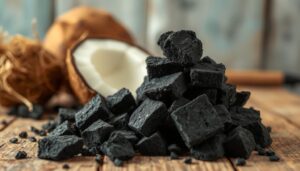
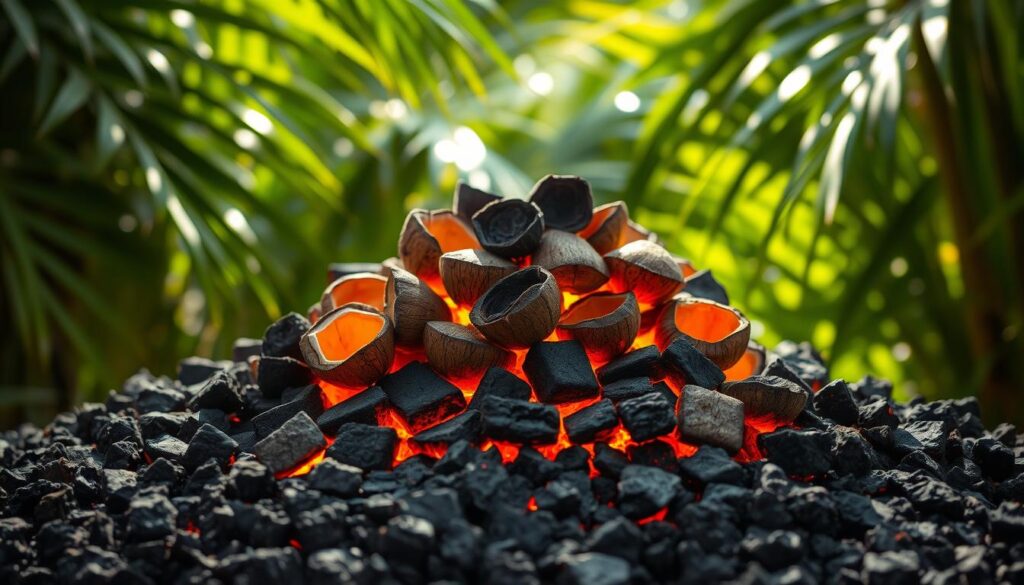
Coconut coal, also known as coconut charcoal, comes from coconut shells. It’s a green and renewable resource that beats traditional charcoal in many ways. It’s known for burning clean, lasting long, and producing little ash. This makes it a top pick for those who care about the planet.
Definition and Overview
Coconut coal is made by heating coconut shells without oxygen. This process, called pyrolysis, takes out the volatile parts and leaves behind a carbon-rich material. After processing, we get the coconut coal we use today.
Eco-Friendly Properties
Coconut coal is a green charcoal option because it’s renewable and sustainable. Unlike wood charcoal, it comes from coconut shells that grow back easily. This means it doesn’t harm forests or use up natural resources.
It also burns clean and leaves little ash. This cuts down on smoke and ash, making it better for grilling and industrial uses.
“Coconut coal is a sustainable and renewable resource that offers several environmental advantages over traditional charcoal.”
The Rise of Coconut Coal
In recent years, coconut coal has become a big hit as a sustainable choice instead of traditional charcoal. People want to live greener lives and are looking for coconut charcoal for grilling, heating, and other uses. It’s seen as a cleaner and better option for the planet.
Here’s why coconut coal is getting more popular:
- People worry about the harm traditional charcoal causes, like deforestation and bad practices.
- There’s a big push for renewable energy sources, making coconut coal a top choice.
- Everyone loves its eco-friendly properties, like being renewable, having a smaller carbon footprint, and causing less pollution.
As we all think more about our impact on the planet, coconut coal is becoming a big deal. This move to greener options is good for the earth and answers the call for responsible living.
| Metric | Coconut Coal | Traditional Charcoal |
|---|---|---|
| Renewable Source | Yes | No |
| Carbon Footprint | Lower | Higher |
| Environmental Pollution | Reduced | Higher |
The growth of coconut coal shows how much we want sustainable and earth-friendly options in the charcoal and fuel world.
Video source from youtube
Production Process of Coconut Coal
Coconut coal is a green alternative to traditional charcoal. It’s made from coconut shells that would otherwise be thrown away. The process turns these shells into a valuable charcoal product. Each step in the production adds to its unique qualities and eco-friendliness.
Raw Materials
Coconut shells are the main material for coconut coal. These shells come from the coconut industry and are often seen as waste. But, they are used again in the coconut coal production.
Manufacturing Stages
- Drying and Pretreatment: First, the coconut shells are dried to get rid of extra moisture. This step prepares them for the next step.
- Carbonization: Then, the dried shells go through a pyrolysis process. They are heated without oxygen to a high temperature. This turns the shells into a carbon-rich material, which is coconut coal.
- Activation and Refinement: After that, the coconut coal is made better through activation and refinement. This includes more heating, screening, and other steps to make sure it’s of high quality.
The coconut coal production shows how waste can be turned into a sustainable fuel source.
By carefully following these steps, the coconut industry turns a waste product into something valuable. This helps make our future more sustainable.
| Raw Material | Conversion Process | Final Product |
|---|---|---|
| Coconut Shells | Drying, Carbonization, Activation, Refinement | Coconut Coal |
Benefits of Coconut Coal
Coconut coal is a green alternative to traditional charcoal. It has many benefits that make it popular for different uses. It’s great for the environment, which is why more people are choosing it.
Environmental Advantages
Coconut coal is made from coconut shells, a waste product. This makes it a renewable and sustainable option. It has a lower carbon footprint than traditional charcoal.
It also burns clean, leaving little ash or emissions. This means it’s better for the air we breathe. It’s a smart choice for grilling, smoking, and industrial uses.
| Benefit | Description |
|---|---|
| Renewable and Sustainable | Coconut coal production uses a waste product, lowering its environmental impact. |
| Clean-Burning | It produces little ash and emissions, reducing air pollution. |
| Long-Lasting | Coconut coal has great heat retention and burns for a long time, making it a smart fuel choice. |
Coconut coal is also valued for its long-lasting and efficient burn. It’s a practical and cost-effective option for many uses.
“Coconut coal is a game-changer in the charcoal industry, offering an eco-friendly and sustainable alternative that meets the growing demand for environmentally-conscious products.”
Coconut Coal: A Sustainable Fuel Source
Concerns about the environment are making people look for greener energy options. Coconut coal is becoming a popular choice because it’s eco-friendly. It’s seen as a sustainable and renewable fuel source.
Coconut coal comes from coconut shells, which are easy to find and use. Using coconut waste for fuel helps reduce landfill waste. It also offers a clean-burning alternative to traditional charcoal and fossil fuels.
| Fuel Source | Renewable | Carbon Emissions | Sustainability |
|---|---|---|---|
| Coconut Coal | Yes | Low | High |
| Traditional Charcoal | No | High | Low |
| Fossil Fuels | No | High | Low |
Coconut coal produces much less carbon than traditional fuels. This makes it a better choice for both home and business use. It’s part of the global effort to reduce energy’s environmental impact.
The need for eco-friendly fuel options is growing. Coconut coal is a great alternative to traditional fuels. It’s renewable, has low carbon emissions, and burns efficiently. This makes it a top choice for those wanting to lessen their environmental impact.
Applications of Coconut Coal
Coconut coal is now a key player in many industries. It’s used for grilling, smoking, and even in industrial settings. This sustainable charcoal alternative is changing the game in various sectors.
Grilling and Smoking
Coconut coal is great for outdoor cooking because it burns clean and lasts a long time. It adds unique, tasty flavors to meats and veggies. Grillers and smokers love it for its great taste and eco-friendliness.
Industrial Uses
Coconut coal is also big in industry. It’s a top choice for industrial applications of coconut charcoal. It’s used as a green fuel for heat, metal smelting, and more. The uses of coconut coal in industry include heating and manufacturing processes that need a steady, green energy source.
| Application | Benefits of Coconut Coal |
|---|---|
| Grilling and Smoking | – Clean-burning properties – Long-lasting performance – Imparts subtle, delicious flavors |
| Industrial Uses | – Reliable and eco-friendly fuel source – Heat generation – Metal smelting – Manufacturing processes |
Coconut coal is becoming a top pick for many uses, from backyard grills to industrial settings. As we look for more sustainable options, coconut coal for grilling and smoking and industrial applications of coconut charcoal will keep growing in importance.

Coconut Coal vs. Traditional Charcoal
When we look at coconut coal and traditional charcoal, we see big differences. Coconut coal is a green choice that beats traditional charcoal in many ways.
Comparative Analysis
Coconut coal is great for the planet because it burns cleaner. It gives off fewer emissions, making it a better choice for our environment. Plus, it burns longer, so you don’t need to add more often. This means using less of it overall.
| Feature | Coconut Coal | Traditional Charcoal |
|---|---|---|
| Emissions | Lower | Higher |
| Burn Time | Longer | Shorter |
| Ash Production | Reduced | Higher |
| Sustainability | More sustainable | Less sustainable |
Coconut coal also leaves less ash behind, which means cleaning up is easier. This makes it a top pick for those who care about the planet and want to lessen their environmental impact.
“Coconut coal is a game-changer in the charcoal industry, offering a more eco-friendly and efficient alternative to traditional charcoal.”
In summary, coconut coal outshines traditional charcoal in many areas. It’s becoming a favorite for those looking for a greener and more efficient fuel option.
Sourcing and Availability of Coconut Coal
The demand for where to buy coconut coal is rising. This makes finding and getting this green fuel important. Sources of coconut charcoal are now easy to find online and in stores. This makes it simpler for people and businesses to get it.
Coconut coal comes mainly from tropical places with lots of coconuts. These include Southeast Asia and parts of the Caribbean. These areas have a lot of coconuts. They are the main material for making this green charcoal.
| Region | Major Coconut Coal Producers |
|---|---|
| Southeast Asia | Philippines, Indonesia, Malaysia |
| Caribbean | Jamaica, Dominican Republic, Haiti |
| Other Regions | Brazil, India, Sri Lanka |
People and businesses looking for where to buy coconut coal have many places to check. They can look online, in special stores, or even big stores. This makes it easier for more people to use this green charcoal.
“Coconut coal is becoming more widely available, making it easier for environmentally-conscious consumers to find and use this eco-friendly fuel source.”
As more people want sources of coconut charcoal, there are more places to get it. This is helping it become more popular and good for the planet.

Challenges and Limitations of Coconut Coal
Coconut coal is better for the environment than traditional charcoal, but it has its challenges. These issues affect how widely it is used. It’s important to know these problems to see how useful this green fuel can be.
One big challenge of coconut coal is finding enough raw materials. Coconut shells, used to make coconut coal, are hard to find in places without a big coconut industry. This makes production expensive and hard to grow to meet demand.
Another issue is the inconsistent quality of coconut coal. Making it depends on many things like temperature, pressure, and moisture. This can make the final product not always the same. It’s key to keep a close eye on quality to make sure it works well.
- High production costs due to limited availability of raw materials
- Challenges in ensuring consistent quality and performance
- Lack of consumer awareness and established infrastructure for distribution
Getting more people to use coconut charcoal might also be hard. People need to know about it and there must be a way to get it to them. Teaching people and setting up the right supply chains takes a lot of work and time.
Even with these problems, the limits of coconut charcoal can be fixed with new ideas, working together, and pushing for its green benefits. As we all look for greener energy options, the coconut coal industry needs to keep improving to meet our needs.
Future Outlook for the Coconut Coal Industry
The coconut coal industry is looking bright, thanks to a growing need for green and sustainable fuels. As people become more aware of the environment, they’re turning to coconut coal. This trend is expected to grow a lot in the next few years.
Market Trends and Projections
Experts believe the coconut coal industry will keep getting bigger. They’re improving how they make it and making it easier for everyone to get it. The market trends and projections for coconut charcoal are looking good for this green fuel.
Here are some reasons why the coconut coal industry is set to grow:
- More people want eco-friendly options instead of traditional charcoal
- New ways to make coconut coal are making it better and more reliable
- It’s becoming easier to find coconut coal for more people
- Everyone’s learning about the good things coconut coal does for the planet
With a bigger push for sustainability, the future of coconut coal industry is looking up. It could soon be a top choice for many instead of old-school charcoal and other fossil fuels.
| Metric | Projection |
|---|---|
| Global Coconut Coal Market Size | $1.2 billion by 2025 |
| Annual Growth Rate | 8.5% from 2020 to 2025 |
| Key Drivers | Shift towards eco-friendly fuels, increasing availability, and rising consumer awareness |
Conclusion
Coconut coal is a great choice for those looking for an eco-friendly alternative to traditional charcoal. It offers many benefits for a sustainable lifestyle. These include its clean burn, renewable nature, and low emissions.
This makes coconut coal a key player in grilling, heating, and industrial uses. As more people want it, the coconut coal industry is growing. This means it will become easier to find for those who care about the planet.
Coconut coal is a promising option for those wanting a greener choice. It could change the charcoal industry for the better. With its green profile and many uses, coconut coal is becoming more important in the energy world. It meets the needs of those in the U.S. who care about the environment.
FAQ
What is Coconut Coal?
Coconut coal comes from coconut shells. It’s a green and renewable charcoal type. It’s better for the planet than traditional charcoal.
What are the eco-friendly properties of Coconut Coal?
Coconut coal burns clean, lasts long, and produces little ash. These traits make it a top choice for those who care about the environment.
Why has Coconut Coal gained popularity recently?
More people want a greener lifestyle, so they’re choosing coconut coal over traditional charcoal. It’s seen as a sustainable option.
How is Coconut Coal produced?
Making coconut coal involves turning coconut shells into charcoal through a special process. The process includes heating and carbonizing the shells.
What are the environmental advantages of Coconut Coal?
Coconut coal is good for the planet because it’s renewable and produces less carbon. It also burns clean and lasts a long time.
How does Coconut Coal compare to traditional charcoal?
Coconut coal is better for the environment than traditional charcoal. It has fewer emissions, burns longer, and makes less ash.
Where can Coconut Coal be sourced?
You can find coconut coal in tropical areas with big coconut industries. It’s sold online and in local stores for those who want it.
What are the challenges and limitations of Coconut Coal?
Challenges include finding enough raw materials and keeping costs down. Quality control is also important. Some people might not know about it yet.
What is the future outlook for the Coconut Coal industry?
The future looks good for coconut coal. More people want eco-friendly fuels, so demand is rising. The industry is growing and improving its production.